Full Service Hair Salon Menu Explained: Cuts, Color, Treatments, and Styling
A full service hair salon menu can feel surprisingly dense the first time you read it closely. A haircut is rarely just a haircut. Color may mean anything from a subtle root touch-up to a six-hour corrective transformation. Treatments can be cosmetic, reparative, smoothing, strengthening, hydrating, or scalp-focused. Styling might be a quick blowout before dinner or a formal updo built to survive wind, hugs, photos, and a long reception.
For clients, the menu matters because it helps set expectations before anyone picks up shears or mixes color. For stylists, it is a working language. A clear service menu tells us how much time to reserve, what products to prepare, what risks to discuss, and what result is realistic for the hair in front of us. When someone asks, “what is done in a hair salon,” the honest answer is that salons manage both appearance and hair condition. We shape, color, treat, finish, maintain, and sometimes repair the effects of past choices.
The best salon experiences happen when the client understands the service enough to ask useful questions, and the stylist understands the client’s hair, lifestyle, budget, and tolerance for upkeep. A menu is not just a price list. It is the starting point for that conversation.
What “full service” usually means
A full service hair salon offers a broad range of hair services under one roof. At minimum, that usually includes haircuts, blow-dry styling, color, highlights, conditioning treatments, and special occasion styling. Many salons also offer smoothing treatments, extensions, scalp treatments, men’s grooming, children’s cuts, gray blending, glosses, toners, texture services, and bridal services.
The phrase can vary by location and salon size. A boutique studio with four chairs may be full service if it covers the core categories with experienced stylists. A larger salon may have color specialists, extension-certified stylists, assistants, and dedicated treatment stations. Some salons also include waxing, brow shaping, makeup, or nails, though a hair-focused full service hair salon does not need those extras to qualify.
In a market like Moorpark, salon menus often reflect the needs of working professionals, families, students, and clients who want polished but wearable hair. When people search for salon services Moorpark, they are often looking for practical beauty care as much as major transformations. They need root maintenance that fits into a lunch break, haircuts that grow out well, blonding that will not wreck the hair, and styling that holds through a full day in Southern California weather.
The common thread is convenience paired with expertise. You should be able to schedule a trim, freshen your color, add a gloss, receive a repair treatment, and leave with a professional finish without bouncing between multiple providers.
The consultation: the service before the service
A proper consultation is part of every serious salon appointment, even if it is not always listed on the menu. It may take five minutes for an existing client with a familiar haircut, or twenty minutes for a new color client with box dye history, heat damage, or a big inspiration photo saved on their phone.
The consultation is where the stylist studies hair density, texture, porosity, growth patterns, previous color, scalp condition, face shape, and daily styling habits. Just as important, it is where we listen for what the client actually means. “Low maintenance” can mean two salon visits per year for one person and every eight weeks for another. “Bright blonde” may mean creamy beige highlights to one client and icy platinum to someone else. “Just a trim” might mean removing half an inch, or it might mean preserving length while reshaping every layer.
Good stylists ask about hair history because hair remembers. Permanent color, lightener, henna, keratin treatments, relaxers, chlorine, hard water buildup, and daily flat ironing can all affect the next service. I have seen hair that looked healthy at first glance behave unpredictably once lightener touched old color on the ends. That does not mean the client did anything wrong. It means the consultation needs to uncover enough history to keep the service safe and realistic.
A salon menu may show tidy categories, but real hair often lives between them. The consultation connects the menu to the person.
Haircuts: more than length removal
Haircuts are the backbone of salon work. Even clients who rarely color their hair usually need shaping several times a year. A good cut respects the natural fall of the hair, the client’s styling routine, and how the shape will grow out over time.
A basic haircut service generally includes a consultation, shampoo or wet-down, cut, and some level of styling. The exact process depends on the stylist and the hair. Curly hair may be cut dry, wet, or with a combination approach. Precision bobs often require clean sectioning and careful cross-checking. Long layered cuts may involve both internal weight removal and perimeter control so the hair moves without looking thin at the bottom.
Short haircuts typically need more frequent maintenance because small changes in length affect the shape quickly. A pixie can lose its architecture in four to six weeks. A sharp bob may need attention every six to eight weeks. Long hair with soft layers can often go ten to twelve weeks, sometimes longer, especially if the ends are healthy and the shape is forgiving.
One area clients sometimes underestimate is the difference between cutting length and removing bulk. Thick hair can feel heavy even when the length is right. A stylist may use layering, point cutting, slide cutting, channel cutting, texturizing shears, or razor work to adjust weight. Each method has consequences. Razor cutting can create beautiful softness on the right texture, but on fragile, frizzy, or over-lightened hair, it can make ends look shredded. Heavy thinning shears can give immediate relief but create short interior pieces that puff out weeks later if overused.
The best haircut is not always the most dramatic one. Sometimes the professional move is to talk a client out of a trendy shape that fights their cowlicks, density, or morning schedule. A fringe that looks effortless online may demand daily blow-drying. A blunt lob may make very dense hair swing beautifully, or it may create a triangle if the interior weight is not managed. Good cutting is technical, but good haircut advice is practical.
Color services: the language of tone, depth, and maintenance
Color menus can be the most confusing part of a salon service list because similar words are often used differently from one salon to another. Single process, all-over color, root touch-up, glaze, gloss, toner, balayage, highlights, lowlights, color correction, gray blending, and vivid color all sit under the color umbrella, but they require different chemistry, timing, skill, and maintenance.
Permanent hair color changes the hair more significantly than demi-permanent or semi-permanent color. It can cover gray, shift natural color, and create lasting results, but it also creates a line of regrowth as hair grows. Demi-permanent color is often used for blending, refreshing, low-commitment shifts, or adding tone and shine. Glosses and glazes can deepen, neutralize warmth, add shine, or refresh faded ends, usually with less commitment than permanent color.
Lightening services require special care because lightener removes pigment from the hair. Highlights, babylights, balayage, foilayage, and global blonding all use lightening in different placement patterns. The technique matters, but so does the starting point. Natural level, existing color, hair health, previous chemical services, and desired tone all shape what is possible in one visit.
I have had clients bring in photos of pale beige blonde while sitting in the chair with dark brown permanent color through the mids and ends. That is not a simple highlight appointment. It may be a long-term blonding plan involving strand tests, multiple sessions, bond support, toners, treatments, and honest compromise. Healthy warm caramel today is often better than broken platinum tomorrow.
Root touch-ups and gray coverage
A root touch-up is designed to color new growth at the scalp. For gray coverage, permanent color is often the standard choice, especially when the client wants full opacity. Timing matters. Many clients schedule every four to six weeks, though those with a strong contrast between natural color and gray may prefer three to four weeks. Others stretch to eight weeks by using softer formulations, highlights, or root sprays between appointments.
Gray hair varies widely. Some gray is fine and cooperative. Some is wiry, resistant, and reluctant to accept color. Around the temples and hairline, gray can be especially stubborn. A stylist may hair salon Moorpark adjust formula, processing time, developer, or application order to improve coverage. This is one reason home color can become frustrating. The same box applied the same way may not handle every part of the head equally.
Not every client wants complete gray coverage. Gray blending has become a strong category because it gives a softer grow-out. Instead of covering every silver strand, the stylist may use highlights, lowlights, demi color, or glosses to make the transition less harsh. It can look sophisticated and expensive when done well, but it still requires planning. Blending gray is not the same as ignoring it.
Highlights, balayage, and dimensional color
Highlights brighten selected strands. Traditional foil highlights create controlled lift and placement, making them useful for blondes, gray blending, and precise brightness. Babylights are finer highlights that mimic natural sun-kissed hair. Balayage is a hand-painted technique that often creates softer, more diffused brightness, especially through the mids and ends. Foilayage combines painted placement with foil insulation for more lift.
Clients often ask for balayage because they want low maintenance. That can be true, but the word has become shorthand for many different looks. A high-contrast brunette balayage may grow out softly but still need toning every eight to twelve weeks to keep brassiness in check. A bright blonde balayage may need a partial refresh, face-frame touch-up, or gloss sooner than expected. The maintenance depends on contrast, tone, porosity, and how cool or warm the desired result is.
Dimensional color uses more than one shade to create movement. Lowlights add depth. A shadow root softens the transition from natural hair to lighter ends. A money piece brightens the face. These details can make hair look fuller and more intentional. They also help color age gracefully, which is often the difference between a style that looks good for three weeks and one that still looks deliberate at ten weeks.
Toners, glosses, and why blondes depend on them
A toner adjusts tone after lightening. Lightener exposes underlying warmth, which can range from red-orange to yellow depending on the starting level and how far the hair lifts. Toner refines that raw result into beige, ash, pearl, champagne, honey, copper, rose, or another target shade. Without toner, most lightened hair looks unfinished.
A gloss may tone the hair while adding shine and conditioning benefits, depending on the product line. Glosses are not only for blondes. Brunettes use them to refresh faded mids and ends, deepen richness, or reduce unwanted warmth. Redheads often rely on glosses because red tones can fade faster than many clients expect.
Toners and glosses are not permanent armor. They fade with shampooing, heat styling, sun, minerals in water, and time. A cool blonde that looks perfect when leaving the salon may warm up over four to eight weeks. Purple shampoo can help in moderation, but it cannot replace a professional toner when the hair needs a full tonal refresh. Overusing purple shampoo can also leave blondes dull, smoky, or uneven, especially on porous ends.
Corrective color: when the menu becomes a plan
Color correction is less a single service than a category for complex problem-solving. It may involve removing artificial pigment, filling over-lightened hair, evening out bands, neutralizing unwanted tones, correcting hot roots, blending patchy highlights, or repairing years of overlapping color.
The reason corrective color costs more and takes longer is not mystery. It demands diagnosis, test strands, careful sequencing, multiple formulas, and constant reassessment. A stylist may need to treat the ends differently from the mids, the hairline differently from the crown, and old highlighted sections differently from natural regrowth. Sometimes the safest first appointment is not the prettiest final result, but a controlled step toward it.
Common corrective scenarios include:
- Box dye buildup that needs gradual lightening rather than aggressive stripping.
- Orange or brassy highlights that require both lift assessment and tonal correction.
- Banding from repeated root color overlap.
- Over-toned blonde that looks gray, muddy, or too dark.
- Uneven fashion color fade before a return to natural-looking hair.
Corrective work requires patience from both sides. A client may sit for four or five hours and still need another appointment. The stylist has to protect hair integrity, not simply chase the photo. When hair is compromised, the right professional answer may be “not today.” That can be disappointing, but it is far better than watching hair stretch, snap, or melt because the service exceeded what the fiber could handle.
Treatments: what they do and what they cannot do
Treatments are often misunderstood because salon marketing can make every product sound miraculous. A treatment can improve how hair feels, behaves, and looks. It can temporarily strengthen bonds, add moisture, smooth the cuticle, reduce frizz, improve shine, or support scalp comfort. What it cannot do is permanently heal hair back to virgin condition once the structure is damaged.
That does not make treatments unimportant. They can be the difference between hair that tolerates color and hair that breaks. They can extend the life of a blowout, make curls spring better, reduce tangles, and help ends look polished until the next trim. The key is matching the treatment to the problem.
Moisture treatments help dry, rough, or thirsty-feeling hair. Protein or strengthening treatments can support weak hair, though too much protein may make some hair feel stiff or brittle. Bond-building treatments target broken internal bonds caused by chemical services, heat, and mechanical stress. Clarifying treatments remove buildup from product, minerals, chlorine, or hard water, though they must be used carefully on fragile color. Scalp treatments address dryness, oiliness, flaking, or congestion, depending on the products and the cause.
Smoothing treatments form another category. Some are temporary blowout-enhancing services. Others, such as keratin smoothing treatments, can reduce frizz and styling time for weeks or months. These are not the same as permanent straightening. A smoothing treatment may loosen curl slightly, add shine, and make hair easier to blow-dry, but results vary based on formula, hair texture, aftercare, and expectations.
Clients should always ask what a treatment is designed to do, how long it lasts, whether it affects curl pattern, and what aftercare is required. If you love your curls, that conversation matters. If you color your hair, that matters too. Certain clarifying or smoothing services can influence color timing, so a stylist may recommend doing them before or after color depending on the situation.
Blowouts and everyday styling
A blowout is one of the most underrated salon services. It seems simple until you compare a rushed home blow-dry with a professional finish that has lift at the crown, smooth ends, controlled movement, and staying power. A good blowout starts at the shampoo bowl with the right cleansing and conditioning choices, then continues with product selection, sectioning, brush work, tension, heat direction, and cooling.
Different finishes require different techniques. Smooth and sleek hair needs controlled airflow and cuticle alignment. A bouncy blowout depends on root lift, round brush work, and setting the shape as it cools. Beachy texture may involve rough drying, curling iron work, and texturizing spray. Curly styling may include curl creams, gels, diffusing, finger coiling, or hood drying.
Blowouts are practical for events, work travel, photos, dates, and clients recovering from surgery or mobility issues who cannot easily style their own hair for a period of time. Many regulars schedule weekly blowouts because it saves time and gives them consistency. Others book them before important meetings because polished hair changes how they feel walking into the room.
The trade-off is heat exposure. A professional stylist should use heat thoughtfully, not automatically turn every tool to the highest setting. Fine or lightened hair rarely needs extreme heat. Coarse, resistant hair may need more heat, but it also needs proper prep and technique. Heat protectant helps, but it is not a force field.
Formal styling, bridal hair, and event work
Formal styling is its own discipline. It is not simply “putting hair up.” Hair must look good from multiple angles, suit the outfit and event, photograph well, and hold for hours. The stylist has to consider hair length, density, texture, weather, accessories, veil placement, neckline, face shape, and how much softness the client wants around the face.
A bridal trial is especially valuable. It gives the bride and stylist time to test shape, volume, parting, extensions, accessories, and durability. Photos help because hair that looks balanced in the mirror can read differently on camera. The trial also exposes practical issues. Perhaps the inspiration photo requires more hair than the bride naturally has. Perhaps the desired loose tendrils fall flat within an hour. Perhaps the veil comb needs a stronger anchor than expected.
For event styling, clean hair is not always best. Very silky freshly washed hair can slip, especially in updos. That does not mean hair should be dirty, but second-day hair or properly prepped clean hair often holds better. The salon may recommend arriving dry, arriving with no heavy oils, or washing the night before. Instructions vary, so it is worth asking.
Texture services: curls, waves, smoothing, and straightening
Texture services change or manage the shape of the hair. Perms add curl or wave through a chemical process. Modern perms can be softer and more customized than the tight curls many people remember from decades past, but they still require a careful assessment of hair health. Lightened or heavily colored hair may not be a good candidate.
Relaxers and permanent straightening services reduce or remove curl through stronger chemical changes. These services require expertise because incorrect application can cause scalp irritation, breakage, or uneven texture. Retouch timing is critical. Overlapping relaxer onto previously processed hair can weaken it severely.
Keratin and smoothing treatments sit in a slightly different category because they usually aim to reduce frizz and styling time rather than permanently restructure the hair in the same way. Still, they require ventilation, product knowledge, and honest communication about results. A client expecting pin-straight hair from a frizz-reduction treatment may be disappointed. A client wanting easier blow-drying may be thrilled.
Curly hair services also include curl-specific cuts, hydration treatments, and styling education. Many curly clients have had at least one salon experience where their hair was treated like straight hair with extra volume. A curl-aware stylist looks at shrinkage, curl pattern variation, density, hydration, and how the client wears the hair day to day. The cut must work in real life, not only when stretched smooth.
Extensions: length, fullness, and responsibility
Hair extensions can add length, fullness, color accents, or both. They can be transformative, but they are not casual accessories when installed professionally. Methods include tape-ins, hand-tied or machine wefts, beaded rows, keratin bonds, i-tips, and clip-ins for temporary use. Each method has strengths and limitations.
The right choice depends on hair density, scalp sensitivity, lifestyle, budget, desired look, and willingness to maintain appointments. Fine hair may not support heavy extensions safely. Very active clients may need a method that tolerates frequent washing and workouts. Clients who wear high ponytails may need placement that hides attachment points. Color matching is also more nuanced than simply choosing “brown” or “blonde.” Most natural-looking extension work blends multiple tones.
Extensions require maintenance. Move-ups may be needed every six to ten weeks depending on method and growth. At-home care matters: brushing correctly, drying attachment areas, avoiding heavy oils near bonds or tapes, and sleeping with hair secured can protect both the extensions and natural hair.
A responsible stylist will say no when extensions are likely to damage the client’s hair. If the natural hair is shedding heavily, breaking, or too fragile, extensions may worsen the problem. Sometimes the better plan is a strengthening routine, haircut, and color refresh before adding any extra weight.
Men’s grooming and short hair maintenance
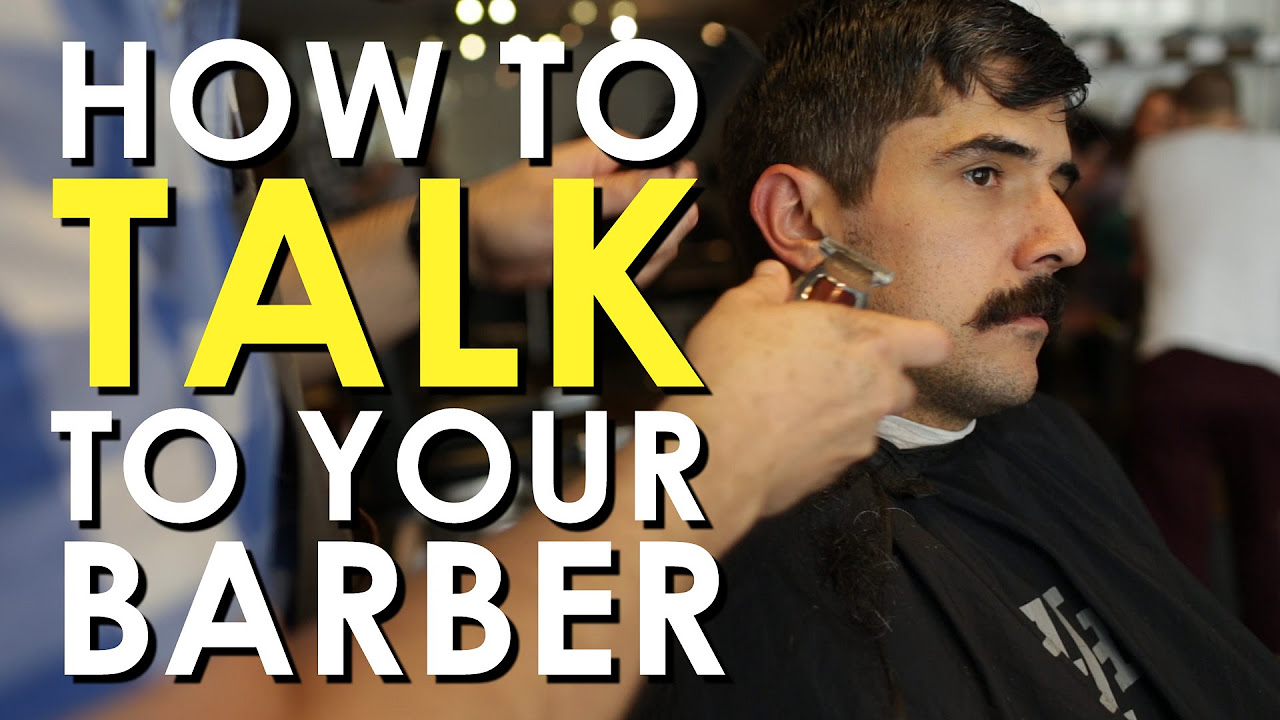
Many full service salons include men’s cuts, beard trims, gray blending, scalp treatments, and styling. Salon-based men’s grooming often differs from barbering in approach, though there is plenty of overlap. A salon haircut may focus heavily on scissor work, texture, longer shapes, and blending a cut into natural growth patterns. Barber services may emphasize clipper fades, razor detailing, and beard architecture. Some professionals do both exceptionally well.
Men with longer hair benefit from salon cutting because shape, layers, and movement become more important as length increases. Men with gray may choose subtle blending rather than opaque color. A demi-permanent approach can soften contrast without creating a harsh regrowth line. The goal is often to look rested and polished, not obviously colored.
Short cuts require consistency. A fade may need refreshing every two to four weeks. A textured crop can often go four to six weeks. Longer men’s styles may stretch farther, but the shape around the ears, neckline, and sideburns usually gives away the grow-out first.
Children’s and teen services
Children’s haircuts are often shorter appointments, but they still require skill. The stylist needs speed, patience, and a gentle manner. Young children may wiggle, feel nervous about the cape, or dislike clippers near the ears. A good children’s cut balances precision with realism. The perfect line matters less if the child is overwhelmed and moving constantly.
Teen services can involve more complex requests, especially with color. Vivid colors, bold blonding, wolf cuts, shags, curtain bangs, and textured layers are common inspiration-photo territory. For minors, salons may require a parent or guardian for chemical services. This protects everyone because color maintenance, cost, school rules, and hair condition need adult awareness.
Fashion colors deserve a serious conversation. Bright pink, blue, green, or purple usually require pre-lightening, and vivid pigments can stain porous hair or fade unpredictably. Some shades linger. Blue and green, in particular, can be stubborn when the client wants to return to blonde. Temporary-looking color is not always temporary in practice.
How timing and pricing are usually determined
Salon prices reflect more than product. They account for time, expertise, location, education, demand, overhead, assistants, product usage, and complexity. A haircut may take 45 minutes or 90 minutes. A partial highlight may take two hours, while a major blonding session can take five or six. Corrective color may require premium pricing because it consumes time, materials, and advanced decision-making.
Hair density affects timing. Two clients may both have shoulder-length hair, but one has fine low-density hair and the other has extremely thick hair that absorbs twice the product and takes much longer to dry. Length matters, but density and history matter just as much.
Many salons use starting prices because no menu can account for every head of hair. If a service says “from,” take that seriously. It is not a trick. It means the final price depends on what your hair needs. The fairest salons communicate this before beginning. If the cost is likely to exceed the base price, the stylist should explain why.
For clients comparing salon services Moorpark or any local market, price should not be the only filter. Look at the salon’s work, cleanliness, communication, policies, and whether the stylist explains maintenance. A cheaper color service can become expensive if it needs correction. An expensive service is not automatically better, but expertise usually shows in consultation, formulation, and finish.
How to choose the right services for your appointment
You do not need to know every technical term before booking, but you should know your main goal. Are you maintaining a look, making a change, fixing a problem, or preparing for an event? Those are different appointments.
If you are unsure what to book, call the salon or request a consultation. Photos help, especially when they show both what you like and what you do not like. Bring images with similar hair texture when possible. A smooth, dense, professionally lit inspiration photo may not translate directly to fine wavy hair without daily styling.
Useful details to share before a color appointment include:
- When your hair was last colored or lightened.
- Whether you have used box dye, henna, or vivid color.
- Any smoothing, perming, relaxing, or keratin services in the past year.
- How often you are willing to return for maintenance.
- Your daily styling routine and heat tool habits.
That information helps the salon reserve the right amount of time and avoid surprises. It also helps prevent underbooking, which creates stress for everyone. A “quick highlight” that turns into a color correction can throw off an entire day if the salon did not know the history.
What to expect at the shampoo bowl
The shampoo bowl is more than a pleasant pause in the appointment. It affects the service result. Before a haircut, shampooing allows the stylist to see the natural fall of clean hair and cut with even moisture. Before a treatment, clarifying or targeted cleansing may help the treatment work properly. After color, shampooing removes residue, stops processing where appropriate, and prepares the hair for toner, gloss, conditioner, or mask.
Scalp comfort matters. Tell your stylist if the water is too hot, your neck feels strained, or your scalp burns during a chemical service. Mild tingling from some products may happen, but burning is not something to tough out. A professional would rather adjust immediately than learn later that you were uncomfortable.
If you have scalp conditions, allergies, sensitivities, or recent medical treatments, mention them before the service. Stylists are not doctors, but we can avoid aggravating the scalp and may recommend postponing chemical work if the skin looks irritated or broken.
Maintenance between salon visits
A salon result lives or dies partly at home. Professional color, a precision cut, or a smoothing treatment can all be undermined by harsh shampoo, excessive heat, rough brushing, or skipping trims for too long. Good aftercare does not need to be complicated, but it should match the service.
Color-treated hair usually benefits from gentle shampoo, lower water temperature, heat protection, and periodic glossing or toning. Blonde hair may need bond support and careful detangling. Curly hair may need more moisture and less aggressive towel drying. Fine hair may need lightweight conditioning so it does not collapse. Extensions need special brushing and drying habits.
The most practical maintenance schedule is one the client will actually follow. There is no point recommending a six-product routine to someone who barely has ten minutes in the morning. A good stylist prioritizes. If a client will buy only two products, I would usually rather see a suitable shampoo and heat protectant than a shelf full of styling creams they will never use.
Trims also matter. Hair grows roughly half an inch per month for many people, though individual growth varies. If ends are splitting faster than length is growing, the hair will seem stuck. Regular small trims often preserve more length over time than waiting a year and needing several inches removed.
Red flags and green flags on a salon menu
A menu should be clear enough to guide you, but flexible enough to allow customization. Be cautious of menus that promise extreme transformations in unrealistic time frames or use vague language without consultation. “Platinum in one session” may be possible on some virgin light brown hair, but it is not a universal promise. “Damage-free lightening” is also misleading. Skill and bond builders can reduce risk, but lightening is still a chemical process that changes the hair.
Green flags include consultation options, clear starting prices, separate categories for maintenance and transformation services, color correction language that acknowledges complexity, and stylists who ask questions before quoting major work. Another good sign is a salon that discusses care after the appointment. Professionals know the service does not end when the cape comes off.
Cleanliness and organization count too. Color bowls should not be crusted with old product. Brushes and combs should be sanitized. Towels should smell clean. Product stations should look used but controlled, not chaotic. A salon is a working environment, so it will not look untouched, but professionalism has a visible texture.
The real value of a full service salon
The value of a full service salon is not simply that many services appear on one menu. It is that those services can work together. A stylist can cut your hair with your color placement in mind. A colorist can recommend a treatment before blonding. A blowout can reveal whether layers need adjustment. A gloss can revive color between larger appointments. Over time, the salon builds a history with your hair, and that history improves decisions.
This continuity matters. When a stylist knows how your hair lifts, how fast your gray grows, which toner fades best on you, where your cowlick sits, and how much styling you realistically do, appointments become more efficient and results become more consistent. The relationship saves time because fewer things best hair salon near me need to be guessed.
So when someone asks what is done in a hair salon, the simplest answer is that hair is cut, colored, treated, and styled. The more complete answer is that a good salon manages the relationship between beauty, chemistry, structure, maintenance, and personal identity. Hair is visible every day. It affects how people feel at work, in photos, on dates, at family events, and during ordinary errands. A thoughtful salon menu gives clients access to that care in a way that is organized, professional, and tailored to real life.
Phone:
(805) 301-5213
Website:
hairbycaseyd.com
HAIR BY CASEY D
6593 Collins Dr, Suite D9,
Moorpark,
CA
93021